


Understanding Gaslighting and Its Impact on Mental Health
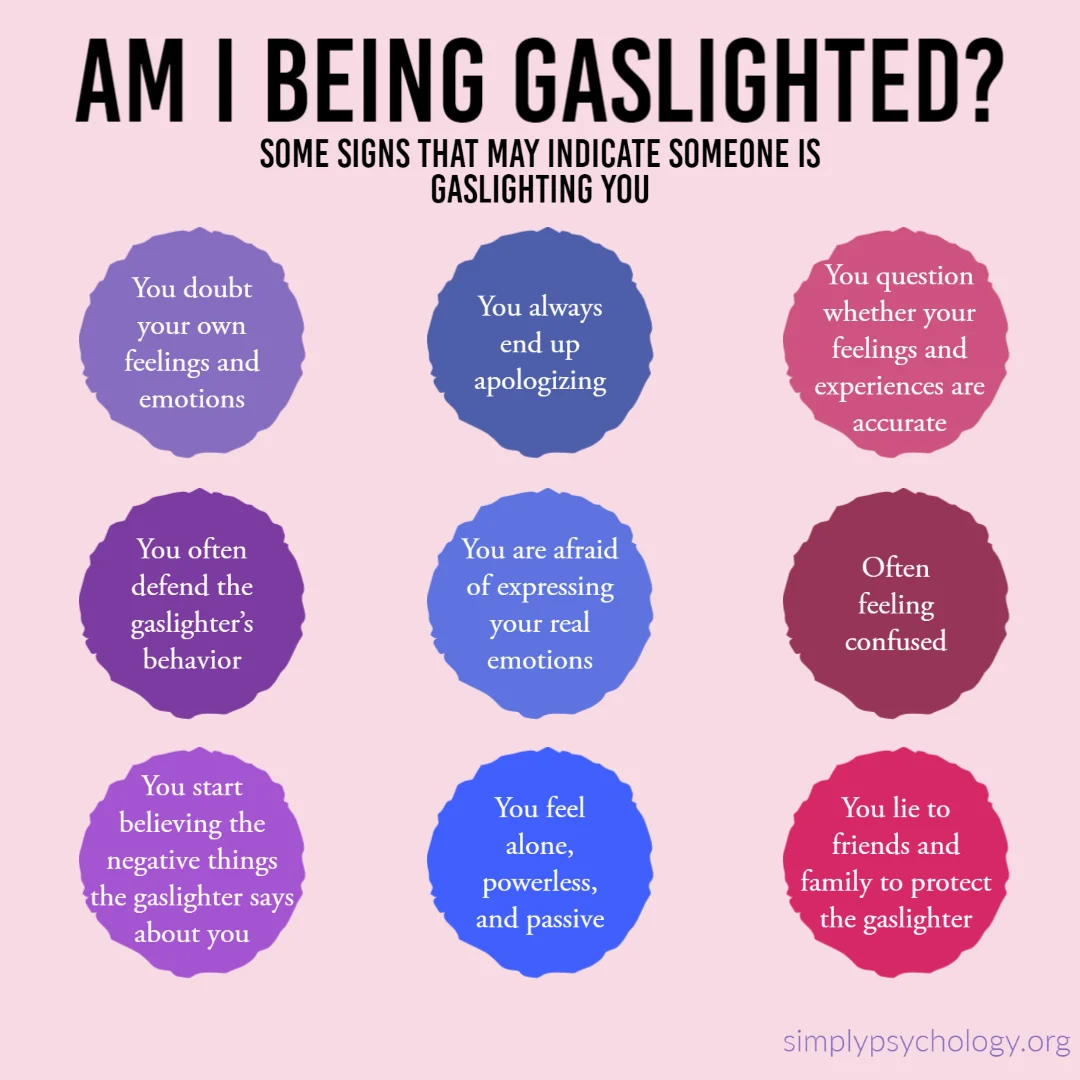
Gaslighting is a form of psychological manipulation where a person or group seeks to make someone doubt their own perceptions, memories, or reality. This term, derived from the 1944 film “Gaslight,” where a husband manipulates his wife into questioning her sanity, has become a widely recognized concept in discussions of emotional abuse and manipulation. Gaslighting can occur in various relationships, including romantic partnerships, friendships, family dynamics, and workplace settings.
Definition and Mechanisms of Gaslighting
Gaslighting involves a series of manipulative tactics aimed at undermining the victim’s sense of reality. These tactics include denying facts, minimizing the victim’s feelings, and presenting false information as truth (Stark, 2018). The ultimate goal is to destabilize the victim’s perception of reality, thereby gaining control and power over them. Gaslighters often use subtle and gradual methods to erode the victim’s confidence in their own thoughts and feelings.
Impact on Mental Health
Long-Term Consequences
The long-term effects of gaslighting can be profound and enduring. Victims often require therapeutic intervention to address the damage to their self-esteem and mental health. Therapy may involve cognitive-behavioral techniques to help individuals rebuild their sense of reality and self-worth. Support groups and counseling can also provide victims with validation and help them develop healthier relationships (Johnson & Leff, 2018).
Conclusion
Gaslighting is a manipulative tactic that significantly impacts mental health, leading to diminished self-esteem, increased anxiety and depression, cognitive confusion, and symptoms of PTSD. Recognizing the signs of gaslighting and understanding its psychological effects are crucial for addressing and healing from its impact. Therapeutic interventions can play a vital role in helping victims reclaim their sense of self and mental well-being.
References