

Understanding the nuances between C-PTSD, PTSD, and Trauma
As a mental health professional and the owner of Mountain Valley Counseling, I often encounter individuals who struggle with the effects of trauma in various forms. Two terms that frequently arise in my practice are Post-Traumatic Stress Disorder (PTSD) and Complex Post-Traumatic Stress Disorder (C-PTSD). While both conditions stem from experiences of trauma, they manifest differently and can lead to various emotional and relational difficulties, including anxiety and depression. Understanding these differences and similarities is crucial for effective treatment and healing.
PTSD is typically caused by a single, traumatic event, while C-PTSD is usually caused by long-term or repeated trauma. C-PTSD can develop from childhood trauma, such as abuse, neglect, or witnessing a kidnapping. It can also be caused by other types of trauma, such as living through war, being a prisoner of war, or experiencing chronic intimate partner violence.
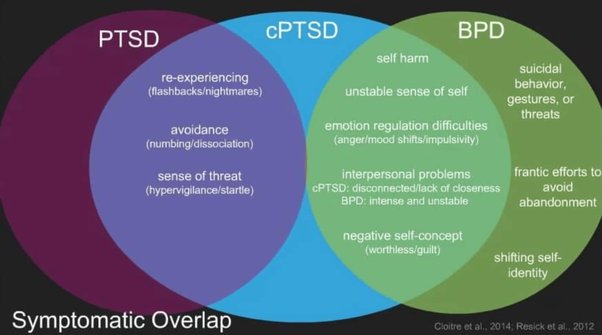
Often people with Cluster B personality disorders, especially Borderline Personality Disorder (BPD)have many overlapping symptoms of C-PTSD. It can take a skilled and specialized therapist to parse out the difference, but it is kind of a chicken or egg scenario. It is very common for people with BPD to also have C-PTSD. Though not every person with C-PTSD has BPD.
Defining PTSD in more detail
PTSD is a mental health condition that can develop after a single traumatic event. The symptoms typically fall into four categories:
Individuals with PTSD often find that their symptoms arise in response to specific triggers, making their experiences somewhat easier to identify and address in a therapeutic setting.
Defining C-PTSD: Complex Post-Traumatic Stress Disorder in more detail
C-PTSD, on the other hand, is often a result of prolonged or repeated trauma, especially during critical developmental periods such as childhood. The symptoms of C-PTSD overlap with those of PTSD but can be more complex and pervasive. Key symptoms include:
Similarities Between PTSD and C-PTSD
Despite their differences, PTSD and C-PTSD share some common ground. Both are responses to trauma and can cause significant emotional distress. Symptoms of anxiety and depression often accompany both conditions, as individuals may feel overwhelmed, helpless, or hopeless. Additionally, individuals with either PTSD or C-PTSD may experience difficulties in their personal relationships, as trauma can affect one’s ability to connect with others.
Differences in Diagnosis and Treatment
The diagnosis of PTSD and C-PTSD requires thorough assessment by a qualified mental health professional. While both conditions fall under the umbrella of trauma-related disorders, the treatment approaches may differ.
Trauma’s Broader Impact: Anxiety, Depression, and Relationships
Both PTSD and C-PTSD can lead to symptoms of anxiety and depression and issues in relationships. I often see people come to therapy with these diagnoses, which are accurate, but don’t tell the whole picture. These are usually symptoms caused by deeper difficulties and for the purposes of this discussion, symptoms of either PTSD or C-PTSD.
At Mountain Valley Counseling, we emphasize a holistic approach to mental health, recognizing that healing from trauma is a multifaceted process. By addressing the root causes of trauma and developing coping strategies, individuals can work toward reclaiming their lives and fostering healthier relationships. Remember, you are not alone on this journey, and there is hope for healing and recovery.
There is a great new book out called What My Bones Know: A Memoir of Healing from Stephanie Foo that is excellent and explains in great detail what C-PTSD is. Check it out.